
Imagine a new employee joining a tech company. On day one, they don’t receive every advanced task at once. Instead, they learn the basics first, practice them, and gradually move to more complex responsibilities. That step-by-step approach reflects progressive learning.
In modern communication, education, and workplace training, a structured learning approach matters because it emphasizes structured growth rather than overwhelming people with too much information at once. Whether you’re a student mastering a new subject, a professional learning software, or an ESL learner improving fluency, understanding this concept helps you communicate more clearly about development, training, and skill-building. The phrase also carries a positive tone, signaling patience, continuous improvement, and long-term mastery.
What Does “Progressive Learning” Mean?
Progressive learning refers to a learning method where knowledge or skills are introduced gradually, moving from simple concepts to more advanced ones in a logical sequence. It helps learners build understanding step by step while reinforcing earlier knowledge.
Origin & History of This Learning Approach
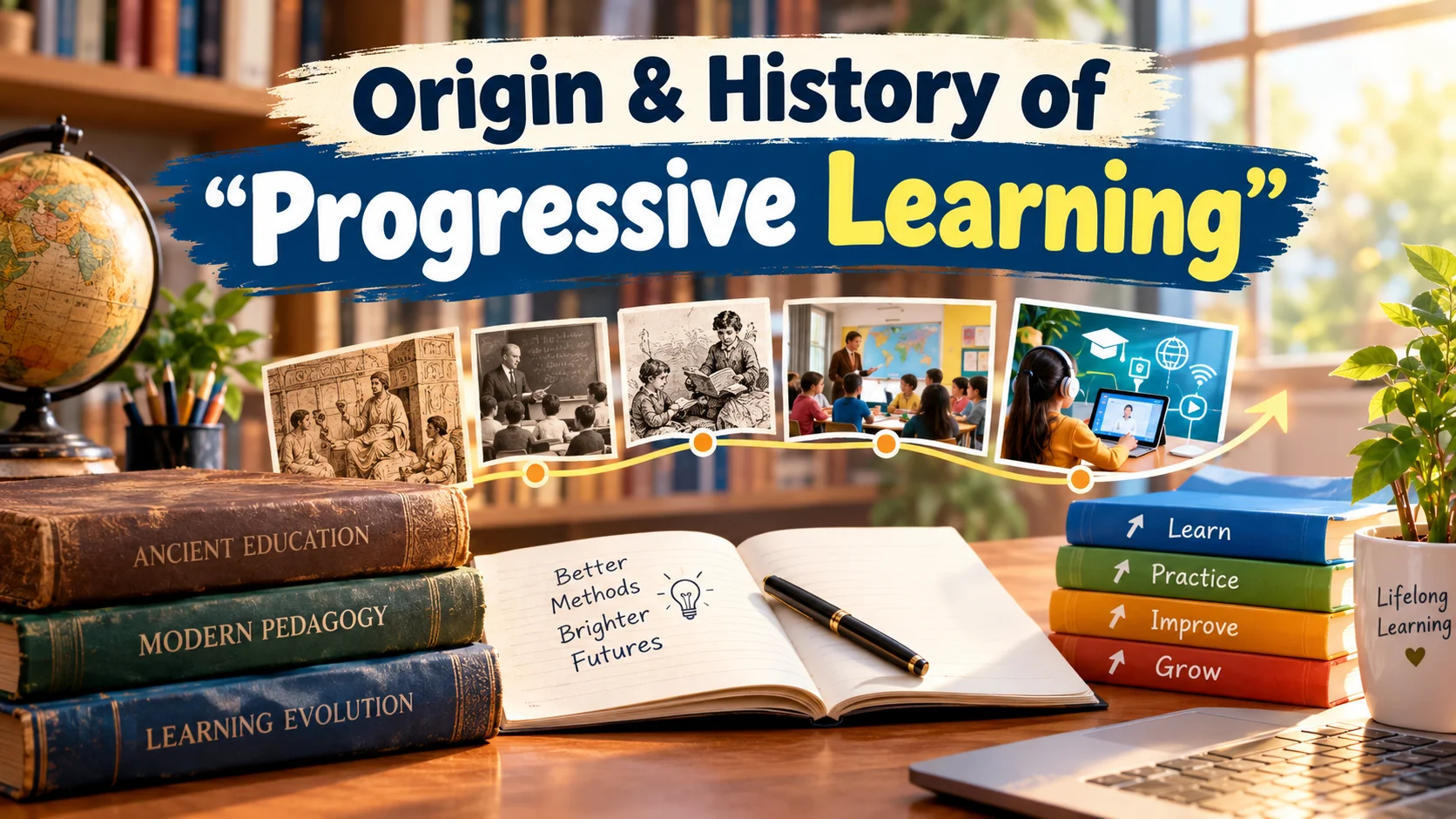
The phrase step-by-step learning draws from two important roots: education theory and the concept of progress.
The word progressive comes from the Latin progressus, meaning “to move forward.” Historically, the idea of gradual advancement appeared in philosophy, psychology, and education long before the modern phrase became popular.
In the late 19th and early 20th centuries, educational reformers such as John Dewey promoted progressive education, emphasizing active learning and development through experience rather than memorization. This helped shape the modern meaning of this gradual approach.
Over time, the phrase expanded beyond classrooms. Today, it is widely used in:
- Corporate training
- Online education
- Skill development platforms
- AI and machine learning systems
- Language learning programs
Modern usage emphasizes incremental mastery, adaptive learning paths, and personalized growth.
Synonyms & Alternatives by Tone
Professional & Neutral Alternatives
- Incremental learning
- Step-by-step learning
- Structured learning
- Sequential learning
- Layered learning
- Gradual development
Polite & Supportive Alternatives
- Guided learning
- Supported learning
- Assisted learning
- Scaffolded learning
- Adaptive learning
Encouraging & Reassuring
- Learning at your own pace
- Continuous improvement
- Steady growth
- Skill-building journey
Casual, Playful & Idiomatic Alternatives
- Learning one step at a time
- Building block learning
- Slow and steady learning
- Level-up learning
- Learn as you go
When Should You Use This Term?
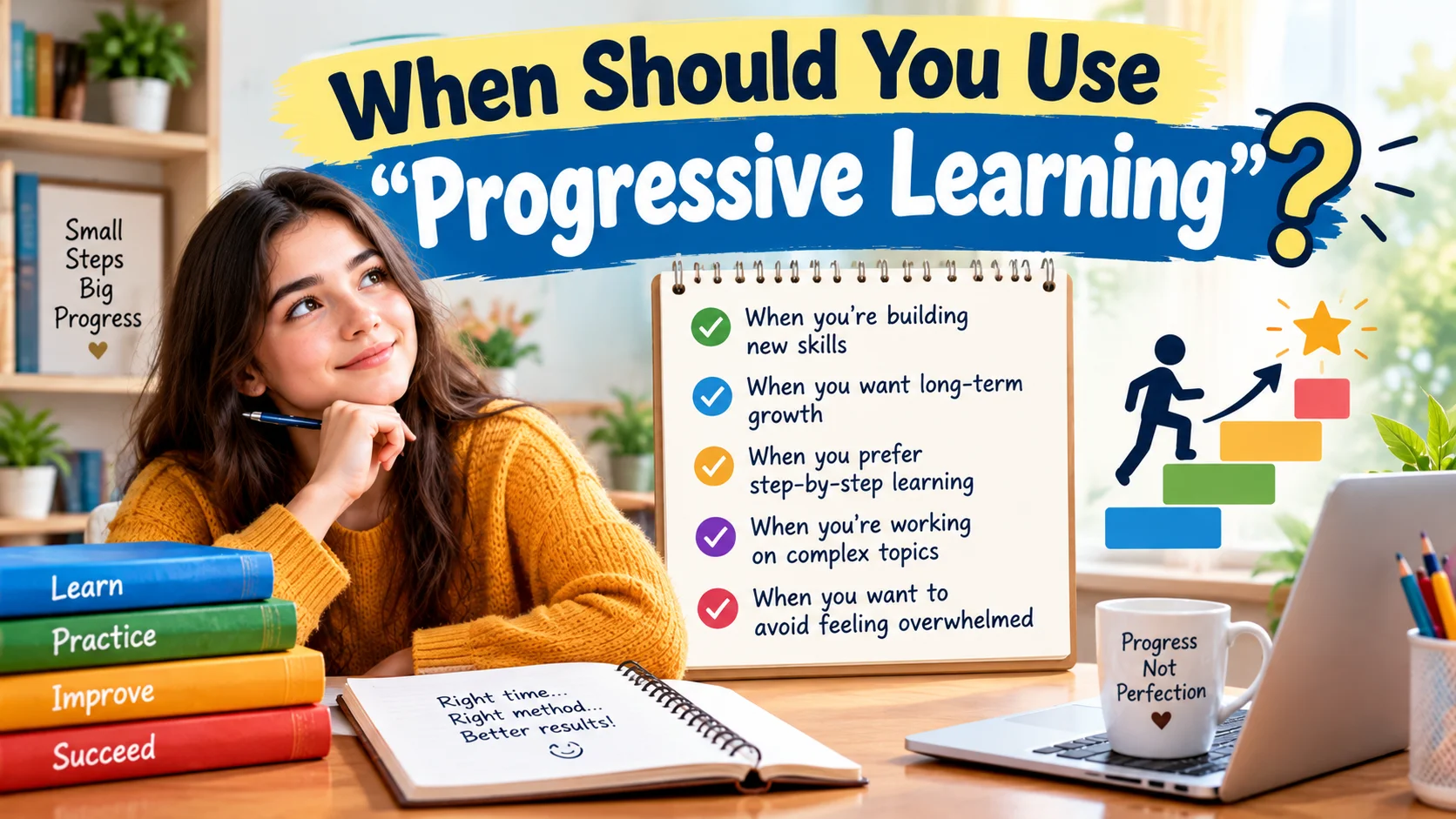
Use this approach when you want to describe structured improvement over time.
Professional Settings
Useful in HR training, onboarding, coaching, and performance development.
Example:
“Our onboarding program uses a step-by-step learning approach so new hires gain confidence before handling advanced projects.”
Casual Conversations
Helpful when explaining personal growth.
Example:
“I’m using this method to improve my coding skills.”
Writing, Presentations, Digital Communication
Works well in reports, educational content, presentations, and training guides.
When It Is Especially Effective
- Explaining complex subjects
- Teaching beginners
- Designing courses
- Communicating growth-focused strategies
When Should You Avoid This Expression?
Avoid the phrase when precision or legal clarity matters.
Overly Formal Situations
Highly technical reports may require more specific terms like “hierarchical instruction.”
Legal, Academic, or Sensitive Contexts
Some contexts require measurable or standardized terminology.
Situations Where Nuance May Be Lost
If learning is nonlinear or exploratory, this approach may oversimplify the process.
Is This Term Professional, Polite, or Casual?
Professional: Yes, widely accepted in education and corporate communication.
Polite: Yes, because it implies support and patience.
Casual: Moderately; understandable in everyday conversation.
Emotional subtext:
- Encouraging
- Growth-oriented
- Non-threatening
- Supportive
Audience perception is usually positive because it signals thoughtful development.
Pros and Cons of Using This Approach
Advantages
- Clarity — Easy to understand
- Efficiency — Communicates structured development quickly
- Accessibility — Works across industries
Potential Drawbacks
- Oversimplification — Learning is not always linear
- Tone mismatch — Can sound generic in technical writing
- Repetition — Overuse reduces impact
Real-Life Examples by Context
Emails
“We designed a structured learning roadmap for new team members.”
Meetings
“The workshop follows a step-by-step learning model.”
Presentations
“This gradual approach improves retention by reducing overload.”
Conversations
“I prefer this method because it feels manageable.”
Social Media
“Mastering design isn’t overnight—it’s a step-by-step process.”
This Approach vs Similar Expressions (Key Differences)
| Phrase | Meaning Difference | Tone Difference | Best Use Scenario |
|---|---|---|---|
| Incremental Learning | Focuses on small additions | Professional | Corporate training |
| Continuous Learning | Emphasizes lifelong learning | Motivational | Career growth |
| Step-by-Step Learning | Focuses on sequence | Simple | Tutorials |
| Adaptive Learning | Personalized adjustments | Technical | EdTech |
| Scaffolded Learning | Support structures included | Academic | Education |
Common Mistakes & Misuse
Overuse
Using it repeatedly weakens writing.
Incorrect Context
Not ideal when learning is highly experimental.
Contradictory Usage
Avoid pairing with “instant mastery.”
Cultural Misunderstandings
Some regions prefer more direct educational terminology.
Psychological Reasons People Prefer This Approach
Cognitive Load Reduction
People absorb information better in smaller chunks.
Trust and Authority Signals
The phrase sounds thoughtful and credible.
Attention Economy
Shorter learning stages fit modern attention spans.
Modern Communication Habits
People prefer manageable, practical frameworks.
US vs UK Usage of This Term
Popularity
Common in both the United States and the United Kingdom.
Tone Perception
US usage often sounds innovation-focused.
UK usage often sounds educational and structured.
Regional Preferences
UK educators may prefer “scaffolded learning” more often.
This Approach in Digital & Modern Communication
Emails
Used in training and onboarding.
Slack / WhatsApp
Simplified into “step-by-step learning.”
Social Media
Popular in self-improvement content.
AI-Generated Summaries
Frequently used in educational AI systems.
Linguistic & Communication Insight
Emotional Weight & Subtext
Native speakers often hear patience, growth, and support in the phrase.
Direct vs Indirect Phrasing
“This approach” sounds collaborative rather than demanding.
Professional Communication Perspective
In workplaces, it signals strategic development rather than rushed performance.
Pragmatic Reasons for Alternatives
Professionals often choose alternatives to sound more precise or relatable.
Social Signaling
Word choice affects trust and engagement. This method signals empathy and structure.
Tone & Context Guidance
Use it when encouraging development. Avoid it if urgency or immediate expertise is expected.
Incremental Learning
Meaning: Learning in small additions.
Why This Phrase Works: Highlights measurable progress.
Real-World Usage Insight: Common in software training.
Best Use: Corporate learning.
Avoid when: Emotional support messaging.
Tone: Professional.
US vs UK Usage: Common in both.
Example (Meeting): “We’ll use incremental learning to train the new analysts.”
Step-by-Step Learning
Meaning: Sequential instruction.
Why This Phrase Works: Very easy to understand.
Real-World Usage Insight: Popular in tutorials.
Best Use: Beginner training.
Avoid when: Advanced academic writing.
Tone: Friendly.
US vs UK Usage: Universal.
Example (Email): “The course uses step-by-step learning modules.”
Structured Learning
Meaning: Organized educational approach.
Why This Phrase Works: Signals discipline.
Real-World Usage Insight: Common in schools.
Best Use: Formal training.
Avoid when: Casual speech.
Tone: Neutral.
US vs UK Usage: Similar.
Example (Meeting): “Structured learning improves consistency.”
Sequential Learning
Meaning: Ordered knowledge progression.
Why This Phrase Works: Emphasizes logic.
Real-World Usage Insight: Used in education.
Best Use: Curriculum design.
Avoid when: Casual conversation.
Tone: Formal.
US vs UK Usage: Slightly academic.
Example (Email): “The curriculum uses sequential learning.”
Layered Learning
Meaning: Building knowledge in layers.
Why This Phrase Works: Shows depth.
Real-World Usage Insight: Common in design training.
Best Use: Complex skills.
Avoid When: Basic instructions.
Tone: Modern.
US vs UK Usage: Similar.
Example (Meeting): “Layered learning improves mastery.”
Gradual Development
Meaning: Slow, consistent improvement.
Why This Phrase Works: Reduces pressure.
Real-World Usage Insight: Popular in coaching.
Best Use: Personal growth.
Avoid when: Fast-paced projects.
Tone: Supportive.
US vs UK Usage: Common.
Example (Message): “Think of this as gradual development.”
Guided Learning
Meaning: Learning with direction.
Why This Phrase Works: Feels supportive.
Real-World Usage Insight: Popular in mentoring.
Best Use: Coaching.
Avoid when: Independent learning.
Tone: Warm.
US vs UK Usage: Similar.
Example: “Our mentor-led sessions support guided learning.”
Adaptive Learning
Meaning: Learning adjusted to needs.
Why This Phrase Works: Personalized.
Real-World Usage Insight: Common in EdTech.
Best Use: AI education.
Avoid when: Manual learning systems.
Tone: Technical.
US vs UK Usage: Common.
Example: “The app uses adaptive learning.”
Scaffolded Learning
Meaning: Support added during learning.
Why This Phrase Works: Emphasizes assistance.
Real-World Usage Insight: Educational term.
Best Use: Teaching.
Avoid when: Casual speech.
Tone: Academic.
US vs UK Usage: More common in UK education.
Example: “Scaffolded learning boosts retention.”
Continuous Learning
Meaning: Ongoing skill improvement.
Why This Phrase Works: Career-focused.
Real-World Usage Insight: Popular on LinkedIn.
Best Use: Professional branding.
Avoid when: Short-term training.
Tone: Motivational.
US vs UK Usage: Universal.
Example: “Continuous learning drives long-term success.”
Learning at Your Own Pace
Meaning: Flexible speed.
Why This Phrase Works: Reduces stress.
Real-World Usage Insight: Common in online courses.
Best Use: Self-paced learning.
Avoid When: Deadlines matter.
Tone: Reassuring.
US vs UK Usage: Common.
Example: “Learn at your own pace.”
Skill-Building Journey
Meaning: Long-term growth path.
Why This Phrase Works: Human-centered.
Real-World Usage Insight: Popular in coaching.
Best Use: Motivation.
Avoid when: Formal reports.
Tone: Inspirational.
US vs UK Usage: Similar.
Example: “This is part of your skill-building journey.”
Building Block Learning
Meaning: Foundations first.
Why This Phrase Works: Easy visual understanding.
Real-World Usage Insight: Used in early education.
Best Use: Beginner learning.
Avoid When: Technical writing.
Tone: Friendly.
US vs UK Usage: Similar.
Example: “Math works through building-block learning.”
Level-Up Learning
Meaning: Learning like game progression.
Why This Phrase Works: Engaging and modern.
Real-World Usage Insight: Popular online.
Best Use: Youth audiences.
Avoid when: Formal business communication.
Tone: Playful.
US vs UK Usage: More common in US digital culture.
Example: “Each lesson helps you level up.”
Learn as You Go
Meaning: Learn during action.
Why This Phrase Works: Natural and practical.
Real-World Usage Insight: Common in startups.
Best Use: Fast-moving environments.
Avoid when: High-risk tasks.
Tone: Casual.
US vs UK Usage: Universal.
Example: “We’ll learn as we go.”
Comparison Table of 10 Best Alternatives
These alternatives work best when you want to communicate growth, training, or development with slightly different tones. Choose based on audience, context, and desired emotional impact.
| Phrase | Meaning | Best Use | Worst Use | Tone | US vs UK Usage |
|---|---|---|---|---|---|
| Incremental Learning | Small learning steps | Corporate | Casual chats | Professional | Equal |
| Step-by-Step Learning | Sequential learning | Tutorials | Research papers | Friendly | Equal |
| Structured Learning | Organized learning | Training | Casual speech | Neutral | Equal |
| Layered Learning | Knowledge in layers | Complex skills | Simple tasks | Modern | Equal |
| Gradual Development | Slow progress | Coaching | Urgent tasks | Supportive | Equal |
| Guided Learning | Directed support | Mentoring | Independent study | Warm | Equal |
| Adaptive Learning | Personalized learning | EdTech | Offline systems | Technical | Equal |
| Continuous Learning | Lifelong growth | Career growth | Short courses | Motivational | Equal |
| Building Block Learning | Foundation first | Beginners | Formal reports | Friendly | Equal |
| Learn as You Go | Learn while doing | Startups | Risky work | Casual | Equal |
Conclusion
Progressive learning is more than just a teaching method—it is a practical approach to mastering knowledge and skills without feeling overwhelmed. By breaking complex topics into smaller, manageable steps, this approach supports stronger retention, deeper understanding, and long-term confidence. This approach works across classrooms, workplaces, online courses, and self-directed learning environments because it aligns with how people naturally absorb information.
One of the biggest strengths of this approach is its flexibility. It can be adapted for beginners who need guidance, professionals building advanced skills, or language learners improving fluency over time. It also reduces cognitive overload, making learning feel more achievable and less intimidating.
In modern communication, the phrase carries a positive and supportive tone, often signaling patience, structure, and continuous improvement. Whether you use the term in education, business, or personal growth discussions, understanding its meaning and alternatives helps you communicate with greater clarity, precision, and impact.
FAQs
What is this learning approach in simple terms?
This approach means learning something gradually, starting with basic concepts and moving toward more advanced ideas over time. Instead of overwhelming learners with too much information at once, it introduces knowledge in manageable steps. This method improves understanding, confidence, and retention, making complex subjects easier to master in both academic and professional settings.
Why is this approach important?
This method is important because it helps people absorb information more effectively. By learning step by step, individuals avoid cognitive overload and build stronger foundational knowledge. This structured approach improves memory retention, reduces stress, and encourages long-term skill development, especially in education, workplace training, and language learning.
Is this approach the same as step-by-step learning?
They are similar but not identical. Step-by-step learning focuses on following a sequence of instructions, while this approach emphasizes gradual growth in difficulty and complexity. This approach often includes reinforcement and adaptation, ensuring learners master earlier concepts before moving on to more challenging material.
Where is this method commonly used?
This approach is commonly used in schools, universities, corporate training programs, online learning platforms, and coaching environments. It is especially valuable in subjects that require strong foundational knowledge, such as mathematics, coding, language learning, healthcare training, and technical skill development.
Can this approach improve memory retention?
Yes, this method significantly improves memory retention because it introduces information in smaller chunks. This reduces mental overload and gives learners time to review and reinforce previous knowledge. Repetition and gradual complexity help the brain store and retrieve information more effectively over the long term.
Is this approach suitable for adults?
Absolutely. This method works well for adults because it supports structured skill development without creating unnecessary pressure. Professionals learning new software, leadership skills, or technical knowledge often benefit from this method because it allows steady growth while balancing work responsibilities and existing commitments.
What are the main benefits of this approach?
The main benefits include improved comprehension, better retention, reduced stress, increased confidence, and stronger long-term skill development. This approach also makes complex subjects more accessible by simplifying difficult concepts into manageable learning stages that encourage consistent progress.
Are there disadvantages to this approach?
Yes, although generally effective, this method can sometimes feel slow for advanced learners who prefer faster progress. It may also oversimplify nonlinear subjects where experimentation matters. In some cases, rigid step-based structures can limit creativity or adaptability if not designed carefully.
How does this approach differ from continuous learning?
This approach focuses on structured advancement from simple to complex topics, while continuous learning emphasizes lifelong improvement and ongoing education. This approach usually describes a method or framework, whereas continuous learning describes a mindset of constantly acquiring new knowledge and skills.
How can I apply this approach in daily life?
You can apply this method by breaking large goals into smaller milestones. For example, if learning a language, start with vocabulary, then grammar, then conversation practice. In work or personal development, focus on mastering one skill before moving to the next. Consistent small improvements lead to meaningful long-term growth.

Alexander B is an English-language writer and content creator specializing in grammar, vocabulary, and everyday communication. He focuses on creating clear, practical, and easy-to-understand content that helps students, professionals, and ESL learners improve their English and communicate with confidence.
