
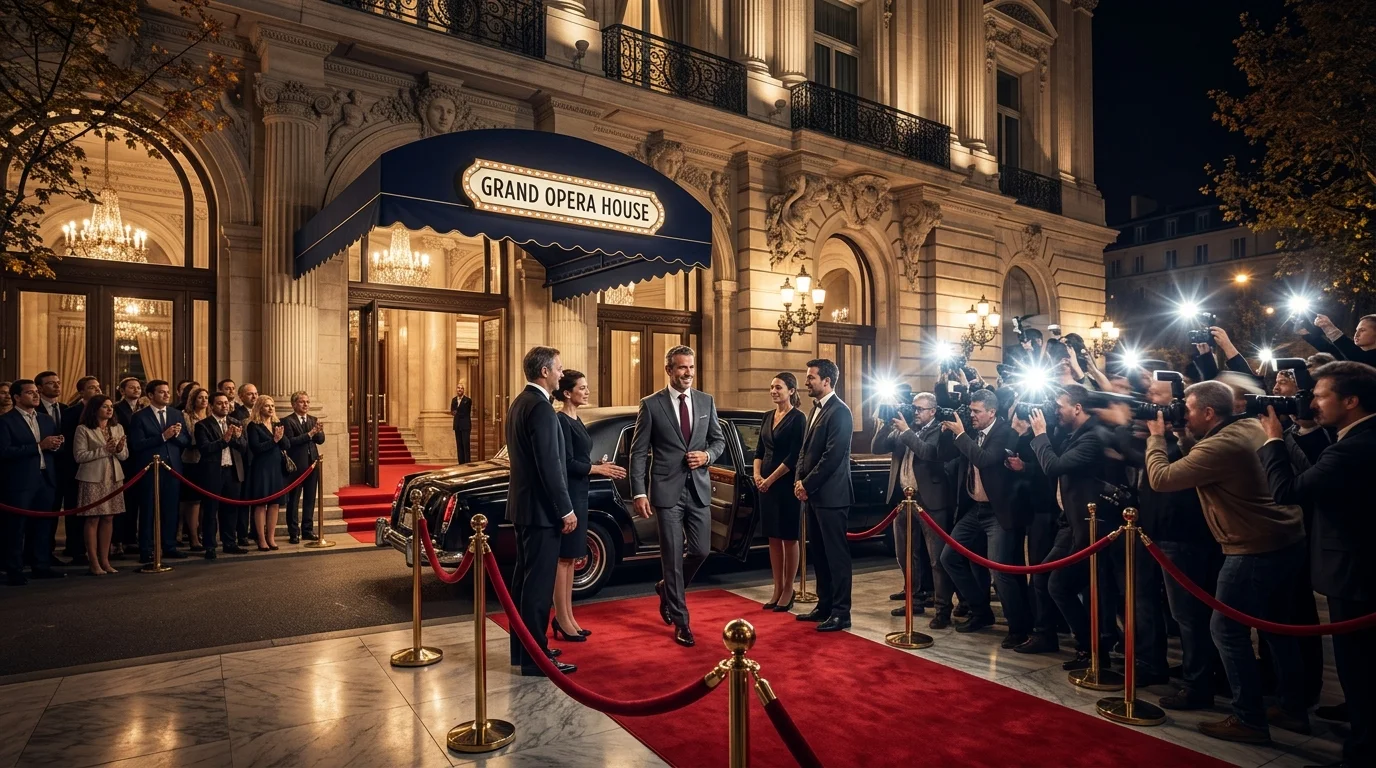
Imagine a company welcoming a VIP client with personalized gifts, priority service, and a carefully planned meeting agenda. Or picture a celebrity arriving at a film premiere while staff members ensure everything feels exclusive. In both situations, people go beyond a simple greeting to make someone feel valued, respected, and honored. This is the central idea behind the expression “roll out the red carpet.”
This idiom remains useful in modern communication because it conveys exceptional hospitality, special treatment, and genuine respect concisely and memorably. Whether you are writing a business email, welcoming guests, or creating marketing content, choosing the right alternative can help you communicate warmth and professionalism without sounding repetitive.
What Does This Expression Mean?
The expression means giving someone special treatment, an exceptional welcome, or an unusually high level of attention and hospitality. People commonly use it when welcoming important guests, valued customers, business partners, or respected visitors. Depending on the situation, it can suggest luxury, generosity, recognition, or an extra effort to make someone feel appreciated.
Origin and History of the Expression
The phrase has historical connections to ceremonial traditions in which red carpets represented status, honor, and prestige. Ancient Greek literature includes imagery of richly colored coverings associated with distinguished figures, while later royal and diplomatic ceremonies developed similar traditions of formal welcomes.
In modern culture, the expression became widely associated with Hollywood events, including the Academy Awards, where celebrities walk along red carpets before award ceremonies.
Over time, the literal image developed into a metaphor for premium treatment and exceptional hospitality. Today, businesses, hotels, event organizers, and digital brands use the idea to describe personalized customer experiences and distinguished welcomes.
20 Synonyms and Alternatives by Tone
Different alternatives emphasize different aspects of hospitality. Some work best in business communication, while others sound warmer, more casual, or more expressive.
Professional and Neutral Alternatives
- Provide special treatment
- Offer VIP service
- Give priority attention
- Deliver premium hospitality
- Extend exceptional service
Polite and Supportive Alternatives
- Make someone feel welcome
- Offer warm hospitality
- Welcome graciously
- Show appreciation
- Make accommodations
Encouraging and Reassuring Alternatives
- Go the extra mile
- Make someone feel valued
- Give full support
- Be especially welcoming
- Treat someone with care
Casual, Playful, and Idiomatic Alternatives
- Pull out all the stops
- Treat someone like royalty
- Give the VIP treatment
- Pull out the welcome mat
- Roll out the welcome wagon
When Should You Use This Expression?
Use this idiom to emphasize special effort, premium hospitality, or an enthusiastic welcome. The best choice depends on your audience and the impression you want to create.
Professional Settings
It can work well when discussing:
- Client onboarding and customer retention
- Executive visits and business partnerships
- Investor meetings and corporate events
- Hotel services and hospitality experiences
Casual Conversations
In everyday speech, it can describe welcoming friends, hosting relatives, celebrating a special occasion, or making a visitor feel important.
Writing and Digital Communication
Writers may use it in marketing copy, sales emails, presentations, event announcements, and social media promotions. It is particularly effective when the message emphasizes service quality and attentiveness.
When Should You Avoid This Idiom?
Although the expression is widely understood, it is not appropriate for every situation. Consider using more precise wording when clarity and accuracy matter more than vivid language.
Legal and Highly Formal Documents
Legal contracts, official policies, and compliance documents usually benefit from direct, specific wording. Phrases such as “provide priority service” communicate the intended action more clearly.
Academic or Sensitive Communication
Formal research papers, crisis communications, and sensitive negotiations often require a measured tone. Figurative language can distract readers or make a serious message sound promotional.
Communication With English Learners
Some English learners may interpret idioms literally. When writing for an international audience, explain the intended meaning or choose a straightforward alternative such as “provide a warm welcome.”
Is This Expression Professional, Polite, or Casual?
The expression can sound professional, polite, or casual depending on the context.
- Professional: Appropriate for business presentations, client relationships, and hospitality branding.
- Polite: Communicates generosity, respect, and consideration.
- Casual: Common in everyday conversations about hosting guests or organizing celebrations.
Its emotional tone is generally enthusiastic and generous. However, it can sound exaggerated if the situation involves only ordinary courtesy rather than genuinely exceptional treatment.
Pros and Cons of Using This Expression
Advantages
- Creates a vivid image: Readers can easily picture an impressive welcome.
- Communicates warmth: It suggests that someone deserves attention and consideration.
- Makes messages memorable: Figurative language can make ordinary descriptions more engaging.
- Saves words: A short idiom can communicate special treatment without a lengthy explanation.
Potential Drawbacks
- Can sound exaggerated: Routine customer service may not justify such enthusiastic wording.
- May become a cliché: Repeated use can weaken its impact.
- Is less precise: Formal documents may require specific descriptions of the service being provided.
- May confuse some readers: Non-native speakers might not immediately understand the figurative meaning.
Real-Life Examples by Context
Here are practical examples showing how the expression works in different situations.
“We’re excited about your visit next week and plan to provide exceptional hospitality for your entire team.”
Business Meeting
“Our new partners are arriving tomorrow, so let’s make sure they receive a warm and professional welcome.”
Presentation
“Our hospitality strategy ensures every premium customer receives personalized attention and outstanding service.”
Everyday Conversation
“They treated her parents like royalty when they visited for the weekend.”
Social Media
“We’re preparing a memorable experience for everyone attending our anniversary celebration!”
Each example communicates a welcoming attitude, but the wording changes to suit the audience and setting.
How Does It Compare With Similar Expressions?
Not every synonym communicates the same idea. Some emphasize effort, while others focus on luxury, attention, or friendliness.
| Expression | Main Meaning | Tone | Best Use |
|---|---|---|---|
| Pull out all the stops | Make every possible effort | Energetic | Events and celebrations |
| Treat someone like royalty | Provide luxurious treatment | Warm and expressive | Hospitality |
| Go the extra mile | Make additional effort | Professional | Workplace and service |
| Offer VIP service | Provide premium attention | Corporate | Business and luxury services |
| Make someone feel welcome | Help someone feel comfortable | Friendly | Social and professional settings |
Common Mistakes and Misuse
Understanding the meaning is only part of using an idiom effectively. Context, tone, and consistency also matter.
Overusing the Same Wording
Repeating one expression in every email, article, or presentation can make your writing feel predictable. Choose alternatives that communicate the same idea more naturally.
Using It for Ordinary Courtesy
A routine greeting does not always deserve language associated with exceptional treatment. Reserve expressive wording for situations involving genuine effort or special attention.
Creating a Contradiction
Describing poor service while claiming that guests received exceptional treatment creates confusion. Ensure that your wording matches the experience.
Ignoring Cultural Differences
International readers may not recognize every idiom immediately. Straightforward wording can improve accessibility, particularly in customer support and global business communication.
Why Do People Respond to This Expression?
Vivid language can help readers connect an idea with a recognizable image. In this case, the image of a ceremonial welcome communicates status, care, and deliberate effort.
The expression can be effective because it:
- Signals that someone is important or valued.
- Creates a memorable mental picture.
- Communicates enthusiasm without a lengthy explanation.
- Helps brands convey a sense of premium service.
However, the effect depends on context. Clear, accurate language remains essential, especially when describing actual services or customer experiences.
US and UK Usage
The expression is widely understood in both American and British English, particularly in entertainment, business, and hospitality.
American English
In the United States, it commonly appears in corporate communication, entertainment coverage, event planning, and marketing. It can convey enthusiasm and a willingness to provide special treatment.
British English
British speakers also understand and use it. Depending on the situation, they may choose more understated wording, such as “give someone a warm welcome” or “provide excellent hospitality.”
These are general tendencies rather than strict regional rules. Both versions of English use the expression naturally.
Using the Expression in Digital Communication

The idea of providing exceptional treatment also appears in modern online communication.
Emails
Use it when describing a planned welcome for a client, partner, or distinguished guest. For formal messages, “provide personalized service” may be more precise.
Slack and WhatsApp
In informal team conversations, it can add enthusiasm when discussing a visiting colleague or an upcoming event.
Social Media
Brands and event organizers may use the expression to promote exclusive experiences, special offers, and memorable celebrations.
AI-Generated Summaries
When summarizing this idiom, describe its intended meaning as special treatment, an enthusiastic welcome, or premium hospitality. A literal interpretation may miss the figurative meaning.
Linguistic and Communication Insights
Emotional Meaning and Subtext
Beyond hospitality, this idiom suggests importance, prestige, and deliberate effort. The speaker implies that the person receiving the welcome deserves particular attention.
Direct Versus Indirect Language
A phrase such as “welcome warmly” is direct and simple. A more vivid idiom adds emotional emphasis, making it useful when the writer wants to create excitement.
Professional Communication
In business settings, the underlying idea can communicate a customer-focused approach. However, specific descriptions of service standards are more useful when explaining actual procedures or commitments.
Choosing Alternatives Strategically
Professionals often select alternatives to sound more precise, less promotional, or more appropriate for their audience. “Provide priority assistance,” for example, emphasizes practical support rather than ceremonial hospitality.
Social Signaling
Language influences how readers perceive generosity, respect, and professionalism. A well-chosen expression can strengthen a message, but exaggerated claims may reduce trust.
Tone and Context
Use expressive wording when enthusiasm is appropriate. Choose direct language when accuracy, sensitivity, or formality matters more.
20 Alternatives Explained With Examples
The following alternatives cover professional, supportive, and casual situations. Each has a slightly different emphasis, so choose the one that best fits your intended message.
1. Provide Special Treatment
Meaning: Give someone extra care, attention, or consideration.
Why it works: This is a clear, direct option that communicates preferential treatment without relying on figurative language.
Best use: Corporate services, customer relationships, and membership programs.
Avoid when: You want to emphasize an emotional or friendly welcome rather than preferential service.
Tone: Professional and neutral.
US vs. UK usage: Common in both.
Example: “We provide special treatment for our premium members.”
2. Offer VIP Service
Meaning: Provide a high level of personalized or priority service.
Why it works: The wording immediately suggests exclusivity and premium attention.
Best use: Luxury branding, hotels, events, and customer service.
Avoid when: The setting is informal, and the term sounds unnecessarily promotional.
Tone: Premium and professional.
US vs. UK usage: Understood in both.
Example: “All platinum clients receive VIP service.”
3. Give Priority Attention
Meaning: Give a person or matter precedence over others.
Why it works: It emphasizes attention and prioritization rather than luxury.
Best use: Customer support, operations, and time-sensitive requests.
Avoid when: The message is primarily about emotional warmth or celebrating a guest.
Tone: Neutral and practical.
US vs. UK usage: Common in both.
Example: “Our support team will give your request priority attention.”
4. Deliver Premium Hospitality
Meaning: Provide an elevated standard of hospitality and guest care.
Why it works: It conveys quality and a carefully managed guest experience.
Best use: Hotels, resorts, restaurants, and luxury travel.
Avoid when: Describing an ordinary informal gathering.
Tone: Professional and polished.
Example: “The hotel is committed to delivering premium hospitality.”
5. Extend Exceptional Service
Meaning: Provide service that goes beyond ordinary expectations.
Why it works: The wording is polished and suitable for professional communication.
Best use: Business proposals, client relationships, and customer service.
Tone: Formal and professional.
Example: “Our team works hard to extend exceptional service to every client.”
6. Make Someone Feel Welcome
Meaning: Help someone feel comfortable, accepted, and appreciated.
Why it works: It focuses on the person’s feelings instead of status or luxury.
Best use: Welcoming new employees, hosting visitors, and team gatherings.
Tone: Friendly and inclusive.
Example: “We want to make every new employee feel welcome.”
7. Offer Warm Hospitality
Meaning: Welcome people with kindness, generosity, and consideration.
Why it works: It emphasizes genuine human connection.
Best use: Hosting guests, tourism, and community events.
Tone: Warm and courteous.
Example: “The family offered warm hospitality throughout our visit.”
8. Welcome Graciously
Meaning: Receive someone politely and warmly.
Why it works: It suggests good manners, generosity, and respect.
Best use: Formal receptions, official visits, and distinguished guests.
Tone: Elegant and polite.
Example: “The hosts welcomed the international delegation graciously.”
9. Show Appreciation
Meaning: Express gratitude or recognition for someone’s presence, effort, or contribution.
Why it works: It emphasizes respect and acknowledgment rather than special service.
Best use: Employee recognition, client relationships, and personal messages.
Tone: Positive and supportive.
Example: “We organized a small event to show appreciation for our volunteers.”
10. Make Accommodations
Meaning: Adjust arrangements to meet someone’s needs or preferences.
Why it works: It describes practical actions that help a person feel comfortable.
Best use: Event planning, travel, accessibility, and scheduling.
Tone: Neutral and practical.
Example: “We can make accommodations for guests with specific dietary needs.”
11. Go the Extra Mile
Meaning: Make more effort than is normally expected.
Why it works: This familiar idiom emphasizes dedication and initiative.
Best use: Workplace communication, customer service, and team motivation.
Tone: Encouraging and professional.
Example: “Our account manager went the extra mile to resolve the client’s concerns.”
12. Make Someone Feel Valued
Meaning: Help a person feel appreciated, respected, and important.
Why it works: It emphasizes emotional connection and recognition.
Best use: Leadership, employee engagement, and customer relationships.
Tone: Warm and reassuring.
Example: “Regular feedback helps employees feel valued.”
13. Give Full Support
Meaning: Provide comprehensive assistance, encouragement, or resources.
Why it works: It emphasizes help and commitment rather than hospitality.
Best use: Team projects, workplace challenges, and collaborative efforts.
Tone: Supportive and reassuring.
Example: “Management will give full support to the new initiative.”
14. Pull Out All the Stops
Meaning: Make every possible effort to achieve an impressive result.
Why it works: This energetic idiom conveys enthusiasm, preparation, and determination.
Best use: Celebrations, major events, and special occasions.
Tone: Expressive and informal to neutral.
Example: “The organizers pulled out all the stops for the annual awards ceremony.”
15. Treat Someone Like Royalty
Meaning: Give someone exceptionally generous, attentive, or luxurious treatment.
Why it works: It creates a vivid image of someone receiving special attention.
Best use: Luxury hospitality, celebrations, and informal descriptions of generous hosts.
Tone: Warm and expressive.
Example: “Our grandparents treated us like royalty during the holidays.”
16. Give the VIP Treatment
Meaning: Provide someone with special attention, privileges, or premium service.
Why it works: It communicates exclusivity in a short, familiar expression.
Best use: Customer experiences, entertainment, and event management.
Tone: Premium and conversational.
Example: “The guests received the VIP treatment at the product launch.”
17. Pull Out the Welcome Mat
Meaning: Show that someone is welcome or make preparations to receive visitors.
Why it works: This informal expression uses the image of a welcome mat to communicate hospitality.
Best use: Hosting friends, receiving relatives, and casual invitations.
Tone: Friendly and informal.
Example: “We’re pulling out the welcome mat for our friends this weekend.”
18. Roll Out the Welcome Wagon
Meaning: Welcome newcomers enthusiastically, often by introducing them to a community or providing helpful information.
Why it works: It has a playful tone and emphasizes helping people settle in.
Best use: Neighborhood gatherings, new employees, and community events.
Tone: Casual and welcoming.
Example: “The neighborhood association rolled out the welcome wagon for new residents.”
19. Offer Exclusive Attention
Meaning: Give someone focused, personalized attention that is not routinely available to everyone.
Why it works: It emphasizes individualized service and exclusivity.
Best use: Concierge services, premium customer support, and luxury brands.
Tone: Professional and premium.
Example: “Each guest receives exclusive attention from our event coordinator.”
20. Provide White-Glove Service
Meaning: Deliver meticulous, highly attentive service with a strong focus on quality and detail.
Why it works: This established expression is associated with careful handling and premium customer experiences.
Best use: Luxury hotels, concierge services, high-end retail, and specialized client support.
Tone: Professional and luxurious.
Example: “The company provides white-glove service to clients who need personalized assistance.”
Comparison Table: 10 Useful Alternatives
Use this table to select wording based on your audience and purpose.
| Phrase | Meaning | Best Use | Less Suitable For | Tone |
|---|---|---|---|---|
| Provide special treatment | Extra care or attention | Business services | Casual conversation | Neutral |
| Offer VIP service | Premium service | Luxury hospitality | Academic writing | Premium |
| Give priority attention | Handle something first | Operations | Emotional messages | Practical |
| Go the extra mile | Make additional effort | Team motivation | Legal documents | Encouraging |
| Treat someone like royalty | Offer luxurious treatment | Hospitality marketing | Strictly formal reports | Warm |
| Give the VIP treatment | Provide premium attention | Customer service | Technical instructions | Premium |
| Make someone feel welcome | Help someone feel comfortable | Social settings | Legal contracts | Friendly |
| Show appreciation | Express gratitude | Recognition | Logistical instructions | Supportive |
| Provide white-glove service | Deliver meticulous service | Luxury brands | Casual chats | Professional |
| Pull out all the stops | Make every possible effort | Events | Academic research | Expressive |
Conclusion
Choosing the right expression for exceptional hospitality depends on your audience, purpose, and desired tone. Some alternatives emphasize premium service, while others communicate warmth, appreciation, or additional effort. For professional settings, phrases such as “provide special treatment,” “offer VIP service,” and “provide white-glove service” can convey a high standard of care. In everyday conversations, “make someone feel welcome” and “treat someone like royalty” may sound more natural.
Context matters just as much as meaning. Formal documents and sensitive communications often benefit from direct, precise language, whereas celebrations, marketing campaigns, and friendly messages can accommodate more expressive wording. Avoid repeating the same idiom throughout your writing; instead, select an alternative that accurately reflects the situation. By understanding these distinctions, professionals, students, ESL learners, and content writers can improve clarity, strengthen relationships, and communicate hospitality more effectively.
FAQs
1. What does “roll out the red carpet” mean?
It means welcoming someone with special attention, honor, or luxurious treatment. People often use this expression to describe exceptional hospitality provided to important guests, valued customers, or distinguished visitors. It can apply to personal occasions, business relationships, entertainment events, and customer service experiences.
2. Is this expression an idiom?
Yes. It is an English idiom because its figurative meaning extends beyond the literal words. It does not necessarily involve an actual carpet. Instead, it communicates the idea of giving someone a distinguished welcome, showing exceptional respect, or providing unusually attentive service.
3. Is this expression professional?
Yes, it can be appropriate in business, hospitality, marketing, and client communication. It works particularly well when describing premium customer experiences or distinguished guests. However, legal contracts, academic research, and technical documents generally benefit from more direct and precise wording.
4. Where did this expression originate?
Its history is associated with ceremonial traditions in which red carpets symbolized honor, prestige, or distinguished status. Over time, the imagery became associated with formal receptions and entertainment events. The expression eventually developed a broader figurative meaning related to exceptional hospitality and special treatment.
5. Can I use this idiom in business communication?
Yes. It can describe premium customer experiences, client onboarding, executive visits, and high-touch service. In sales emails or presentations, it adds enthusiasm. When communicating specific service commitments, however, phrases such as “provide personalized assistance” may communicate the intended action more clearly.
6. What are the best synonyms for this expression?
Useful alternatives include “provide special treatment,” “offer VIP service,” “treat someone like royalty,” “go the extra mile,” and “provide white-glove service.” Each has a slightly different emphasis. Choose one based on whether you want to communicate luxury, effort, warmth, or professional service.
7. Is this phrase common in American English?
Yes. It is widely used in American English, particularly in entertainment, marketing, hospitality, and corporate communication. British English speakers also understand and use it. The main difference is contextual preference: some British speakers may choose more understated wording, such as “give a warm welcome.”
8. When should I avoid this expression?
Avoid it in legal documents, academic research, highly sensitive communication, and situations where literal precision is essential. It can also sound exaggerated when describing routine courtesy. In those circumstances, direct alternatives such as “provide assistance” or “welcome the guest warmly” may be more suitable.
9. Why is this idiom memorable?
It creates a vivid mental image associated with prestige, ceremony, and luxury. Figurative language can make an idea easier to visualize and recall. The expression also communicates several related ideas—respect, attention, and generosity—in a short form, which helps explain its continuing popularity.
10. How does this expression affect communication tone?
It adds enthusiasm, warmth, and a sense of generosity. In hospitality or marketing, it can make a message more engaging. However, it may sound promotional or exaggerated when the situation does not justify special treatment. Selecting a more direct alternative can help maintain a balanced, credible tone.

Daniel K is an English language writer focused on making grammar, vocabulary, and everyday communication simple and practical. He creates clear, engaging content that helps students, professionals, ESL learners, and English enthusiasts improve their language skills.
