
Imagine your manager opens a meeting by saying, “Buckle in—this quarter is going to be intense.” Or a friend texts, “Buckle in, I have a wild story.” Even if no seatbelt is involved, you instantly understand the message: prepare yourself for something demanding, exciting, stressful, or unexpected.
This expression is a common English phrase used in professional, casual, and digital communication to signal that something significant is coming next. It can express urgency, anticipation, excitement, caution, or emotional intensity depending on tone and context. For professionals, students, ESL learners, and writers, understanding this phrase matters because word choice shapes how messages are received. A phrase that sounds motivating in one situation may feel abrupt or overly casual in another.
Choosing the right alternative to this expression helps improve communication clarity, professionalism, and emotional tone. Whether you’re writing emails, giving presentations, or chatting online, knowing when to use this phrase—and when not to—can make your communication far more effective.
What Does “Buckle In” Mean?
Buckle in means to prepare yourself mentally or physically for something challenging, intense, exciting, or important that is about to happen. The phrase is commonly used to signal readiness, caution, or anticipation before an event, discussion, task, or experience.
Origin & History of the Expression

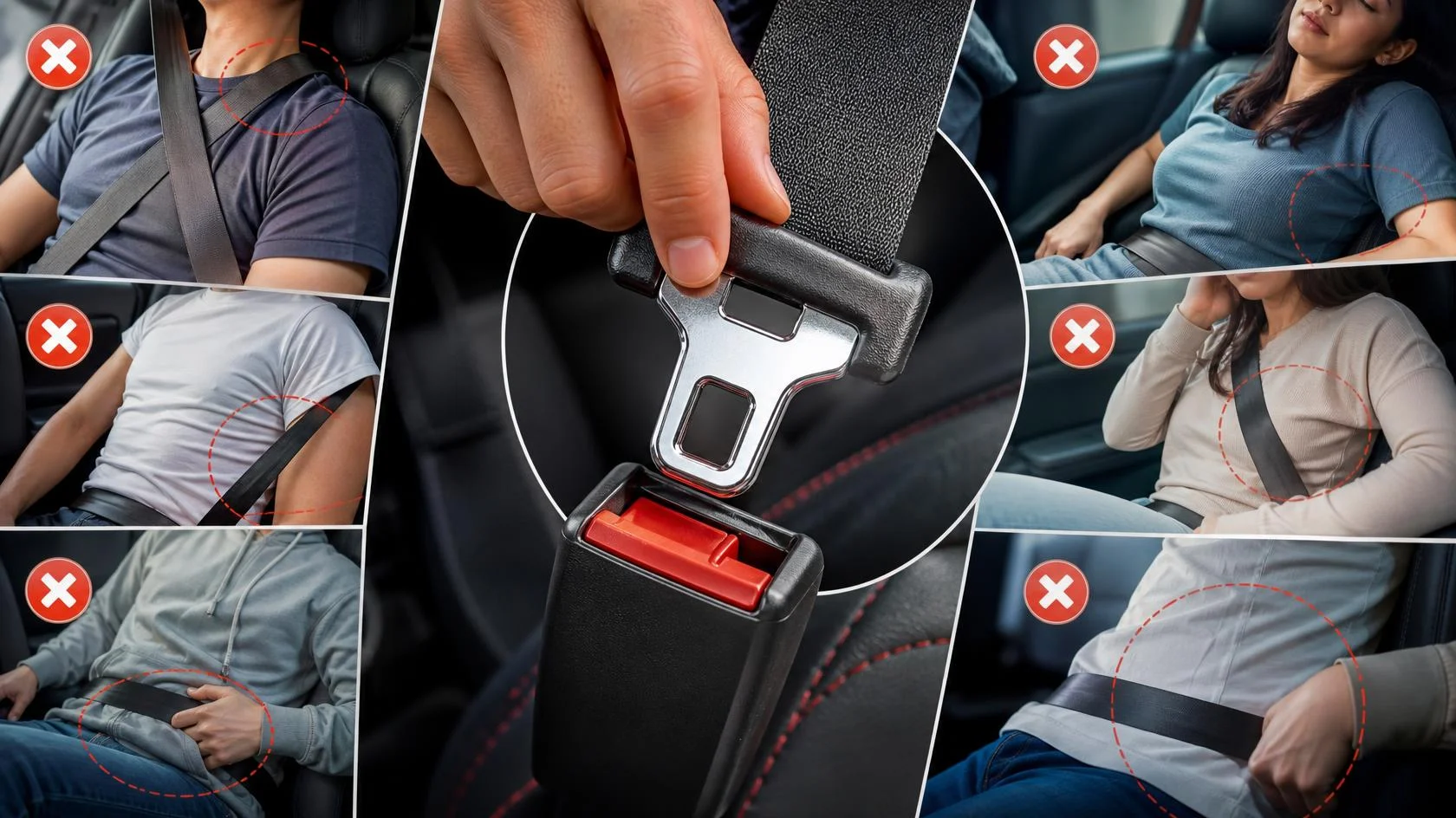
The wording comes from the literal action of fastening a seatbelt in a car, airplane, or other vehicle. Seatbelt usage became widely promoted during the mid-20th century as vehicle safety awareness increased, especially in the United States and the United Kingdom.
Over time, the expression evolved beyond transportation. People began using it figuratively to suggest emotional or mental preparation. Instead of physically securing a belt, the phrase now implies getting ready for turbulence—literal or metaphorical.
Today, this expression appears frequently in workplaces, media, sports commentary, social media, and storytelling. Its popularity comes from how quickly it communicates expectation and intensity.
Synonyms & Alternatives by Tone
Professional & Neutral Alternatives
- Prepare yourself
- Be ready
- Get ready
- Stay prepared
- Anticipate changes
Polite & Supportive Alternatives
- Please be prepared
- Keep this in mind
- Be aware
- Plan ahead
- Stay informed
Encouraging & Reassuring
- You’ve got this
- Stay focused
- Ready yourself
- Keep going
- Stay strong
Casual, Playful & Idiomatic Alternatives
- Hold tight
- Hang on
- Brace yourself
- Gear up
- Here we go
When Should You Use This Expression?
Professional Settings
Use it during project launches, deadline discussions, or change management meetings.
Casual Conversations
Useful when telling exciting stories or preparing someone for dramatic news.
Writing, Presentations, and Digital Communication
Works well in presentations, newsletters, social posts, and blog intros.
When It Is Especially Effective
- Big announcements
- Fast-moving projects
- High-stakes discussions
- Exciting storytelling
When Should You Avoid This Wording?
Avoid using the phrase in:
- Highly formal reports
- Legal communication
- Academic research writing
- Medical or crisis communication
- Sensitive emotional conversations
In such cases, the expression may sound too casual or emotionally charged.
Is This Phrase Professional, Polite, or Casual?
This wording sits between professional and casual language.
- Professional? Moderately, in modern workplaces
- Polite? Usually yes, depending on delivery
- Casual? Strongly casual in everyday speech
Its emotional subtext often suggests urgency or excitement. Audience matters heavily.
Pros and Cons of Using This Expression
Advantages
- Improves clarity
- Quickly sets expectations
- Memorable and engaging
- Easy to understand
Potential Drawbacks
- Can feel dramatic
- May sound informal
- Can be repetitive
- Tone may not fit serious situations
Real-Life Examples of This Phrase by Context
“Team, buckle in—we’re entering our busiest launch period.”
Meeting
“Buckle in, today’s agenda is packed.”
Presentation
“Buckle in, because market trends are shifting fast.”
Conversation
“Buckle in, you won’t believe what happened.”
Social Media
“Buckle in—this story gets crazy.”
“Buckle In” vs Similar Expressions (Key Differences)
| Phrase | Meaning Difference | Tone Difference | Best Use Scenario |
|---|---|---|---|
| Brace yourself | More caution-focused | Serious | Difficult news |
| Hold tight | Implies waiting | Casual | Delays or suspense |
| Get ready | General preparation | Neutral | Professional use |
| Gear up | Action-oriented | Energetic | Sports/work |
| Hang on | Expect turbulence | Informal | Fast-paced changes |
Common Mistakes & Misuse of This Expression
Common mistakes include:
- Using it in tragic or sensitive conversations
- Overusing it in writing
- Using it where no preparation is needed
- Assuming all cultures interpret urgency similarly
ESL learners often miss the emotional tone behind it.
Psychological Reason People Prefer This Expression
People like this wording because it reduces cognitive load. Instead of lengthy explanations, the phrase instantly signals:
- Change is coming
- Attention is needed
- Emotional readiness matters
In modern attention economies, short, impactful phrases perform better.
US vs UK Usage of This Phrase
In the United States, this wording is highly common and sounds natural in both business and casual speech.
In the United Kingdom, speakers may prefer alternatives like:
- Brace yourself
- Hold tight
- Get ready
UK usage exists but is somewhat less frequent.
This Expression in Digital & Modern Communication
The phrase performs well in:
- Emails
- Slack messages
- WhatsApp chats
- Social media posts
- AI summaries
Its brevity makes it highly compatible with digital communication.
Linguistic & Communication Insight
Emotional Weight & Subtext
Native speakers hear more than literal preparation. They perceive urgency, anticipation, tension, or excitement.
Direct vs Indirect Phrasing
The expression feels direct and energetic. Softer alternatives reduce pressure.
Professional Communication Perspective
At work, the phrase can motivate teams but may also increase anxiety if overused.
Pragmatic Reasons for Alternatives
Experienced communicators often choose softer wording to signal collaboration instead of authority.
Social Signaling
Word choice affects trust, leadership, and credibility.
Tone & Context Guidance
Use it when energy helps. Avoid when calm reassurance matters more.
Meaning, Usage & Examples for Each Alternative
Prepare Yourself
Meaning: Get mentally ready.
Why This Phrase Works: Clear and universal.
Real-World Usage Insight: Common in workplaces.
Best Use: Professional communication.
Avoid When: Casual jokes.
Tone: Neutral.
US vs UK Usage: Common in both.
Example (Meeting): “Prepare yourself for major policy updates.”
Get Ready
Meaning: Become ready soon.
Why This Phrase Works: Simple and natural.
Real-World Usage Insight: Very common in speech.
Best Use: General communication.
Avoid when: Very formal documents.
Tone: Neutral.
US vs UK Usage: Universal.
Example (Email): “Get ready for next week’s launch.”
Brace Yourself
Meaning: Expect difficulty.
Why This Phrase Works: Strong emotional cue.
Real-World Usage Insight: Often dramatic.
Best Use: Tough news.
Avoid when: Positive announcements.
Tone: Serious.
US vs UK Usage: Strong in both.
Example (Conversation): “Brace yourself—the budget got cut.”
Hold Tight
Meaning: Wait patiently.
Why This Phrase Works: Friendly and casual.
Real-World Usage Insight: Common online.
Best Use: Delays.
Avoid when: Formal writing.
Tone: Casual.
US vs UK Usage: Slightly more US.
Example (Message): “Hold tight, I’m almost there.”
Hang On
Meaning: Wait or stay steady.
Why This Phrase Works: Conversational.
Real-World Usage Insight: Common speech.
Best Use: Fast updates.
Avoid when: Formal emails.
Tone: Informal.
US vs UK Usage: Common to both.
Example (Meeting): “Hang on, we need more data.”
Gear Up
Meaning: Prepare actively.
Why This Phrase Works: Energetic.
Real-World Usage Insight: Sports/business.
Best Use: Action-driven teams.
Avoid when: Sensitive topics.
Tone: Motivational.
US vs UK Usage: Common to both.
Example (Email): “Gear up for Q4.”
Be Ready
Meaning: Stay prepared.
Why This Phrase Works: Direct.
Real-World Usage Insight: Widely used.
Best Use: Clear instructions.
Avoid When: Soft reassurance needed.
Tone: Neutral.
US vs UK Usage: Universal.
Example: “Be ready by 9 AM.”
Stay Prepared
Meaning: Maintain readiness.
Why This Phrase Works: Ongoing readiness.
Real-World Usage Insight: Useful for planning.
Best Use: Long projects.
Avoid When: Immediate actions.
Tone: Professional.
US vs UK Usage: Common.
Example: “Stay prepared for revisions.”
Anticipate Changes
Meaning: Expect adjustments.
Why This Phrase Works: Professional tone.
Real-World Usage Insight: Corporate settings.
Best Use: Strategic communication.
Avoid when: Casual chats.
Tone: Formal-neutral.
US vs UK Usage: Common to both.
Example: “Anticipate policy changes.”
Ready Yourself
Meaning: Prepare mentally.
Why This Phrase Works: Strong but elegant.
Real-World Usage Insight: Less common.
Best Use: Writing/speeches.
Avoid when: Casual chat.
Tone: Slightly formal.
US vs UK Usage: Equal.
Example: “Ready yourself for rapid change.”
Keep This in Mind
Meaning: Remember something important.
Why This Phrase Works: Softens warnings.
Real-World Usage Insight: Great for guidance.
Best Use: Advisory messages.
Avoid when: Urgency is required.
Tone: Polite.
US vs UK Usage: Universal.
Example: “Keep this in mind during reviews.”
Be Aware
Meaning: Pay attention.
Why This Phrase Works: Direct caution.
Real-World Usage Insight: Common in notices.
Best Use: Warnings.
Avoid when: Emotional sensitivity is needed.
Tone: Direct.
US vs UK Usage: Common.
Example: “Be aware of delays.”
Plan Ahead
Meaning: Prepare early.
Why This Phrase Works: Practical.
Real-World Usage Insight: Planning contexts.
Best Use: Scheduling.
Avoid When: Immediate response needed.
Tone: Professional.
US vs UK Usage: Universal.
Example: “Plan for deadlines.”
Stay Focused
Meaning: Maintain concentration.
Why This Phrase Works: Encouraging.
Real-World Usage Insight: Popular in coaching.
Best Use: Performance settings.
Avoid when: Waiting scenarios.
Tone: Motivational.
US vs UK Usage: Common.
Example: “Stay focused during finals.”
Here We Go
Meaning: Something is starting.
Why This Phrase Works: Energetic and expressive.
Real-World Usage Insight: Popular in casual speech.
Best Use: Exciting starts.
Avoid when: Formal settings.
Tone: Playful.
US vs UK Usage: Very common.
Example: “Here we go—the livestream begins.”
Comparison Table of 10 Best Alternatives
These alternatives work best when you need different levels of professionalism, urgency, or friendliness. Choosing the right phrase improves clarity and audience response.
| Phrase | Meaning | Best Use | Worst Use | Tone | US vs UK Usage |
|---|---|---|---|---|---|
| Prepare Yourself | Mental readiness | Formal communication | Casual jokes | Neutral | Equal |
| Get Ready | General preparation | Broad use | Legal writing | Neutral | High |
| Brace Yourself | Warning | Difficult news | Celebration | Serious | High |
| Hold Tight | Wait patiently | Delays | Formal reports | Casual | More US |
| Gear Up | Active preparation | Team motivation | Sensitive topics | Energetic | High |
| Be Ready | Immediate readiness | Instructions | Soft guidance | Direct | High |
| Anticipate Changes | Expect shifts | Corporate | Casual chats | Professional | High |
| Be Aware | Notice risk | Warnings | Gentle support | Direct | High |
| Stay Focused | Maintain attention | Coaching | Waiting | Motivational | High |
| Here We Go | Start moment | Casual speech | Formal meetings | Playful | High |
Conclusion
The phrase “buckle in” remains a powerful expression in modern English because it instantly communicates readiness, anticipation, and awareness. Whether used in workplaces, casual conversations, presentations, or digital communication, it helps prepare listeners for something important, challenging, or exciting. Its strength lies in simplicity—two short words can signal urgency, excitement, caution, or emotional intensity without lengthy explanation.
However, context matters. While this expression works well in informal and semi-professional settings, it may feel too casual for legal, academic, or highly sensitive situations. Choosing the right alternative—such as “prepare yourself,” “brace yourself,” or “get ready”—can improve tone and communication effectiveness. Understanding subtle differences between these phrases helps professionals, students, ESL learners, and writers communicate with greater precision. Ultimately, mastering phrases like this enhances not only vocabulary but also your ability to connect clearly and confidently in real-world communication.
FAQs
What does “buckle in” mean in slang?
In slang or casual English, “buckle in” means getting ready for something intense, exciting, surprising, or emotionally charged. It tells someone to prepare mentally for what comes next. Native speakers often use it before telling dramatic stories, giving major updates, or introducing fast-changing situations.
Is “buckle in” the same as “buckle up”?
Not exactly. Both phrases suggest preparation, but “buckle up” is more common and often sounds slightly more casual or dramatic. The expression can feel more intentional or focused on staying secure and mentally prepared, especially in workplace or presentation contexts.
Is this expression professional?
Yes, this wording can be professional in modern workplaces, especially in meetings, presentations, or team discussions. However, it works best in conversational business environments. In highly formal industries like law or academia, more neutral alternatives such as “prepare accordingly” may sound better.
When should you avoid saying this phrase?
Avoid using this wording in sensitive emotional conversations, legal writing, medical communication, or formal academic contexts. Because the expression carries emotional intensity, it may sound overly dramatic or too casual when calm, precise language is more appropriate.
Why do people use this expression so often?
People use this phrase because it quickly communicates urgency and expectation. It reduces explanation and immediately signals that something significant is coming. In fast-paced digital communication, short, impactful phrases like this are easy to understand and memorable.
What are the best alternatives to this phrase?
Popular alternatives include prepare yourself, get ready, brace yourself, hold tight, gear up, and be ready. The best choice depends on tone, audience, and context. Professional communication usually benefits from more neutral or polite alternatives.
Is this phrase common in the UK?
The phrase is understood in the UK, but it is more commonly used in American English. UK speakers often prefer expressions such as “brace yourself,” “hold tight,” or “get ready.” Regional preference influences which phrase sounds most natural.
Can this expression sound rude?
Usually no, but tone matters. If spoken sharply or in stressful situations, the wording may feel abrupt or commanding. Adding context, friendly wording, or supportive language can make the phrase feel more collaborative and less forceful.
Can ESL learners use this phrase naturally?
Yes. ESL learners can use this expression naturally in casual speech, presentations, and modern workplace conversations. Understanding tone is important because native speakers often use it figuratively rather than literally. Practice helps identify appropriate contexts.
Why is this expression effective in communication?
The phrase works because it combines brevity with emotional impact. It signals readiness, captures attention, and sets expectations quickly. In professional, social, and digital settings, this helps speakers guide audience focus and improve engagement.

James W is an English language writer and grammar enthusiast who enjoys exploring the details of effective communication. His work focuses on grammar, vocabulary, synonyms, phrases, and everyday English usage. James aims to make language learning simple and practical by providing clear explanations and useful examples.
